
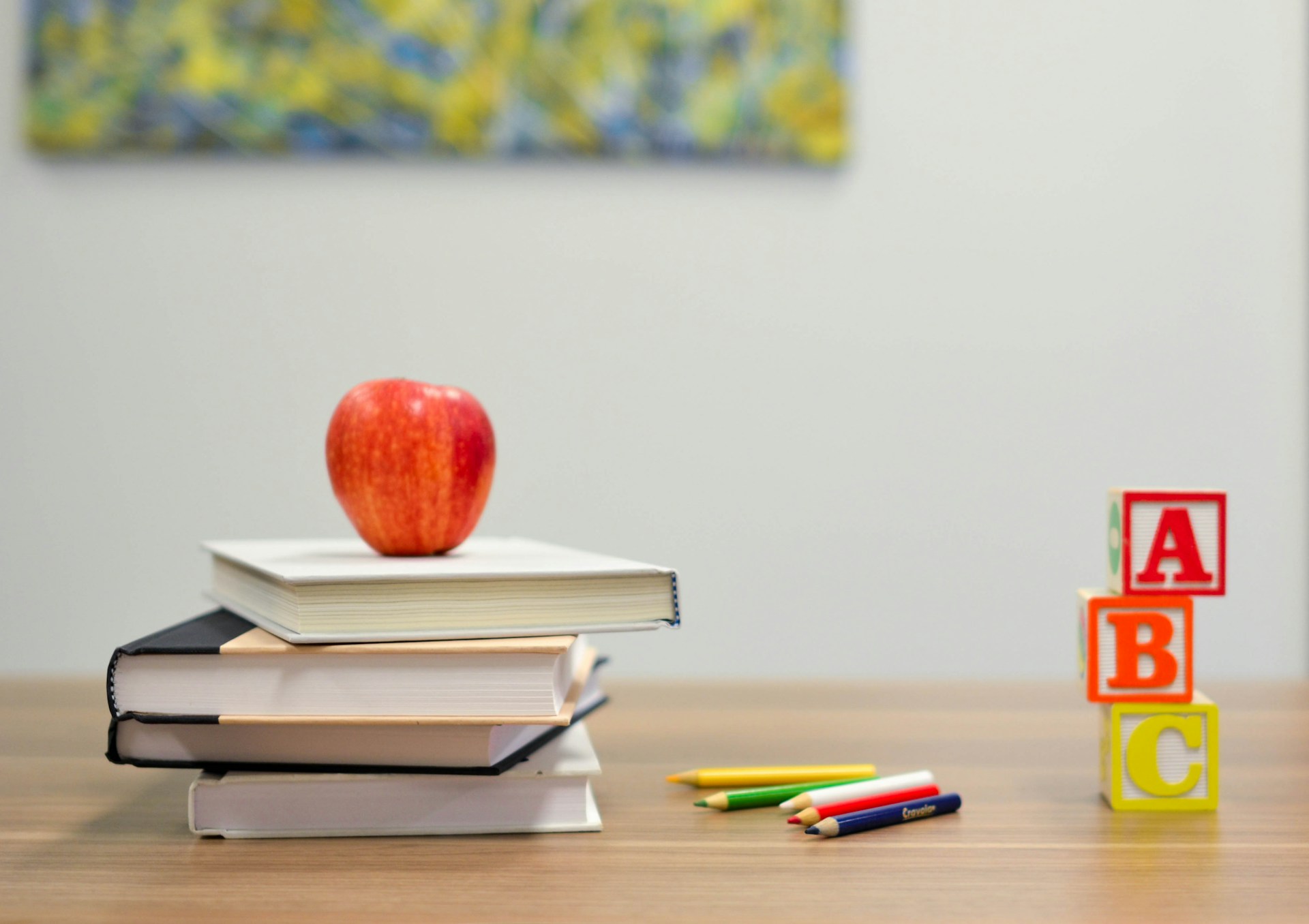
A classroom can reveal a great deal about society without saying a word. Some students participate confidently while others need support that is not immediately visible. In modern schools, learning differences are no longer treated as exceptions but as a normal part of everyday education.
That shift has changed expectations for teachers and school systems alike. Students now arrive with a wider range of emotional, behavioral, and academic needs than many classrooms were originally designed to support. Traditional one-size-fits-all teaching methods are being questioned because they often leave certain students disconnected from the learning process.
Inclusive classrooms matter because education shapes more than grades alone. Students learn communication habits and social understanding while they interact with classmates who think and learn differently. Those experiences affect how future workplaces and communities function later.
There is also growing awareness around how isolation affects students emotionally. Being separated constantly for needing additional support can influence confidence and participation in ways that last beyond childhood. A this-is-how-school-has-always-worked mindset is being challenged because modern education now places greater value on accessibility and equal participation.
Inclusive learning environments are not simply educational trends. They reflect changing expectations around fairness and student support in a world where differences are more openly acknowledged than before.
One Classroom Can Hold Many Different Needs
Modern classrooms bring together students with very different learning styles, attention spans, and communication needs. Some students respond well to verbal instruction while others absorb information more effectively through visuals or hands-on activities. Teachers are expected to recognize those differences while creating learning environments where every student feels included and supported.
That growing responsibility has encouraged many educators to pursue advanced training focused on inclusive instruction. An online masters in special education, for example, has become a popular path among aspiring teachers who want practical strategies for supporting students with disabilities within general education settings. William Paterson University offers a strong option through its online Master of Education in Special Education with a concentration in Teacher of Students with Disabilities, a state-approved program designed to help educators create more adaptable and student-centered classrooms.
Inclusive learning environments work best when support is planned thoughtfully instead of added only after problems appear. One student may benefit from shorter instruction periods and movement breaks while another participates more confidently through visual schedules and structured peer interaction. These adjustments are not about lowering expectations. They are about helping more students access learning in ways that match their individual needs.
Have some students been misunderstood simply because traditional classroom methods did not reflect how they learn best? Teachers are being asked to approach instruction differently now and that shift requires preparation that extends beyond standard classroom management skills.
Students Learn More Than Academic Subjects
Inclusive classrooms influence social development just as much as academic performance. Students observe how classmates communicate and solve problems. They also learn empathy through everyday interactions instead of formal lessons alone.
Children who learn beside peers with different abilities often develop stronger collaboration skills naturally. Differences become normalized instead of treated as unusual or uncomfortable. That exposure matters because adulthood rarely places people inside perfectly uniform environments.
Students receiving additional support also benefit socially when inclusion is handled thoughtfully. Participation increases when students feel accepted rather than separated constantly. Confidence grows when contributions are acknowledged instead of overlooked.
Several important benefits are often created through inclusive classrooms:
- Greater peer interaction across different learning styles
- Improved communication and teamwork skills
- Increased classroom participation for students needing support
- More flexible teaching strategies that benefit entire classes
- Stronger emotional awareness among students
These outcomes affect classroom culture significantly. Students become more willing to ask questions and engage openly when learning differences are treated respectfully.
Teachers Are Carrying More Responsibility Than Ever
Teaching has become far more complex than delivering information from the front of a classroom. Educators are now expected to manage emotional development and behavioral support while addressing academic standards simultaneously. Inclusive classrooms increase those responsibilities because individualized learning needs must also be considered consistently.
This pressure has contributed to growing teacher burnout across many school systems. Educators often enter the profession wanting to help students meaningfully but limited resources can create frustration. Inclusion works best when teachers receive proper support and training rather than being expected to improvise solutions constantly.
Collaboration has become increasingly important in modern schools. General education teachers and special education professionals now work together more closely than before. Counselors, therapists, and administrators also play larger roles in supporting classroom success.
The Future Of Education Looks More Inclusive
Education continues changing because student needs continue changing. Schools are no longer focused solely on standardized outcomes. Emotional well-being and accessibility now shape educational conversations much more directly than before.
Technology has also expanded possibilities for inclusion. Speech-to-text tools and adaptive learning software help students access lessons more independently. Flexible digital platforms allow teachers to present information in different formats depending on student needs.
At the same time, leadership in education is changing as schools place greater emphasis on collaboration and student-centered learning environments. Administrators are beginning to recognize that inclusion cannot function effectively without ongoing professional development and institutional support.
There are still challenges of course. Class sizes remain large in many districts and resources are not always distributed evenly. Some teachers feel overwhelmed by growing expectations while parents may worry about whether classrooms can realistically meet every student’s needs.
Still, progress continues because the value of inclusion is becoming harder to ignore. Students deserve environments where participation feels possible rather than conditional. Academic success matters deeply but belonging matters too.
Inclusive Classrooms Shape More Than School Experiences
Inclusive classrooms matter because they prepare students for a world where people learn and communicate differently. Modern education requires greater flexibility and students benefit from environments where participation feels accessible rather than isolating. This approach strengthens communication skills, empathy, and teaching methods that support broader learning needs.
Meaningful inclusion takes preparation and commitment but classrooms become stronger when more students feel supported and capable of contributing confidently every day.


