
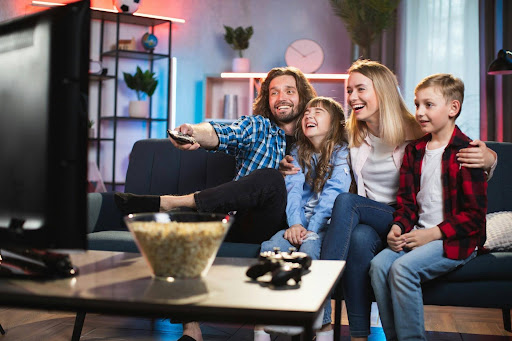
The way people spend their free time has changed dramatically over the past decade. Advances in technology, changing work patterns, and evolving consumer preferences have created more leisure options than ever before. Activities that once occupied separate spaces now exist alongside one another, allowing individuals to build highly personalized routines that reflect their interests, schedules, and lifestyles.
Modern leisure is no longer defined by a handful of traditional activities. Streaming services, fitness programs, travel experiences, dining, social media, gaming, and countless other forms of entertainment now compete for attention. Rather than following predictable routines, consumers increasingly combine multiple interests to create experiences that feel flexible and meaningful.
Psychologically, humans process information and sustain habits best when grouped in triads. Experts recommend focusing on just three manageable priorities (e.g., read a chapter, take a hike, call a friend) to keep free time restorative rather than overwhelming. Historically, the foundational sociology of leisure—pioneered by thinkers like Joffre Dumazedier—breaks down the functional rules of free time into three specific pillars:
- Relaxation: Providing the body and mind necessary recovery from work fatigue.
- Entertainment: Providing fleeting diversion, fun, and casual amusement.
- Personal Development: The ultimate rule of true leisure, focusing on self-actualization and individual growth.
Consumers Are Prioritizing Choice
One of the defining characteristics of modern leisure is the sheer variety available. Digital platforms have expanded access to entertainment, information, and experiences that would have been difficult to imagine only a generation ago. Whether someone is exploring a new hobby, planning a weekend getaway, or discovering a new form of entertainment, opportunities are readily available.
This abundance of choice has influenced consumer expectations. People increasingly prefer services that allow them to engage on their own terms rather than follow rigid schedules or predetermined experiences. Convenience, accessibility, and personalization have become important factors across virtually every leisure category. As a result, businesses throughout the entertainment and lifestyle sectors continue adapting to meet these changing expectations.
Entertainment Is Becoming More Personalized
The growth of digital technology has made it easier than ever for consumers to tailor leisure activities to their individual preferences. Streaming platforms recommend content based on viewing habits, travel companies offer customized itineraries, and fitness applications create personalized training plans.
Free time looks very different from one person to the next. While some people plan evenings around social gatherings, dining experiences, or major sporting events, others prefer forms of entertainment that offer greater flexibility and can be enjoyed whenever time allows. This has contributed to the rise of digital leisure platforms, including mr q Casino, which offers access to a broad portfolio of casino games and has built a reputation for its no-wagering free spin promotions. By allowing eligible winnings to be credited directly to a player’s cash balance, the platform has adopted an approach that many users find easier to understand than traditional bonus structures.
The result is a leisure landscape that is increasingly shaped by personal preference rather than habit, giving consumers more freedom to combine different forms of entertainment throughout their week.
Experiences Matter More Than Ever
Many consumers now place greater value on experiences than on simple consumption. This shift can be seen across industries ranging from hospitality and tourism to entertainment and wellness. People increasingly seek activities that provide enjoyment, engagement, and memorable moments.
The popularity of experiential spending reflects a broader desire for activities that feel meaningful and rewarding. Whether attending a festival, exploring a new destination, participating in a fitness challenge, or discovering a new form of entertainment, consumers often prioritize experiences that add value beyond the activity itself.
This trend continues to influence how businesses design products and services. Companies increasingly focus on creating experiences that encourage participation, exploration, and long-term engagement.
Leisure Habits Continue to Evolve
Research published by McKinsey & Company has highlighted how consumers increasingly prioritize flexibility, convenience, and personalized experiences across multiple areas of daily life. Modern lifestyles often require individuals to balance professional responsibilities, social commitments, and personal interests, creating demand for leisure activities that can adapt to changing schedules.
These evolving preferences help explain the growing popularity of services that offer greater control and accessibility. Consumers increasingly appreciate the ability to choose when, where, and how they engage with entertainment and recreational activities.
As technology continues advancing, opportunities for personalization are likely to become even more sophisticated, further expanding the range of leisure experiences available.
Balance Remains Important
While digital entertainment continues growing, many consumers remain focused on maintaining a healthy balance between online and offline activities. Dining out, spending time with friends, participating in sports, traveling, and attending cultural events continue to play important roles in modern lifestyles.
The most successful leisure routines often combine multiple forms of recreation rather than relying exclusively on any single activity. This flexibility allows individuals to adapt their choices based on circumstances, interests, and available time.
Modern leisure is less about replacing traditional experiences and more about expanding the options available. Consumers can move between digital and physical activities with greater ease than ever before, creating lifestyles that are both varied and adaptable.
The Future of Leisure Will Be Defined by Flexibility
The future of leisure is likely to be shaped by continued demand for choice, convenience, and personalization. Consumers increasingly expect experiences that fit naturally into their lives rather than requiring significant adjustments to participate.
Technology will undoubtedly continue influencing how people discover and engage with entertainment, but the underlying goal remains unchanged. Leisure exists to provide enjoyment, relaxation, connection, and opportunities for exploration.
As the range of available options continues expanding, individuals will have greater freedom than ever to shape their own experiences. In an age of endless choice, flexibility has become one of the most valuable features modern leisure can offer.


