
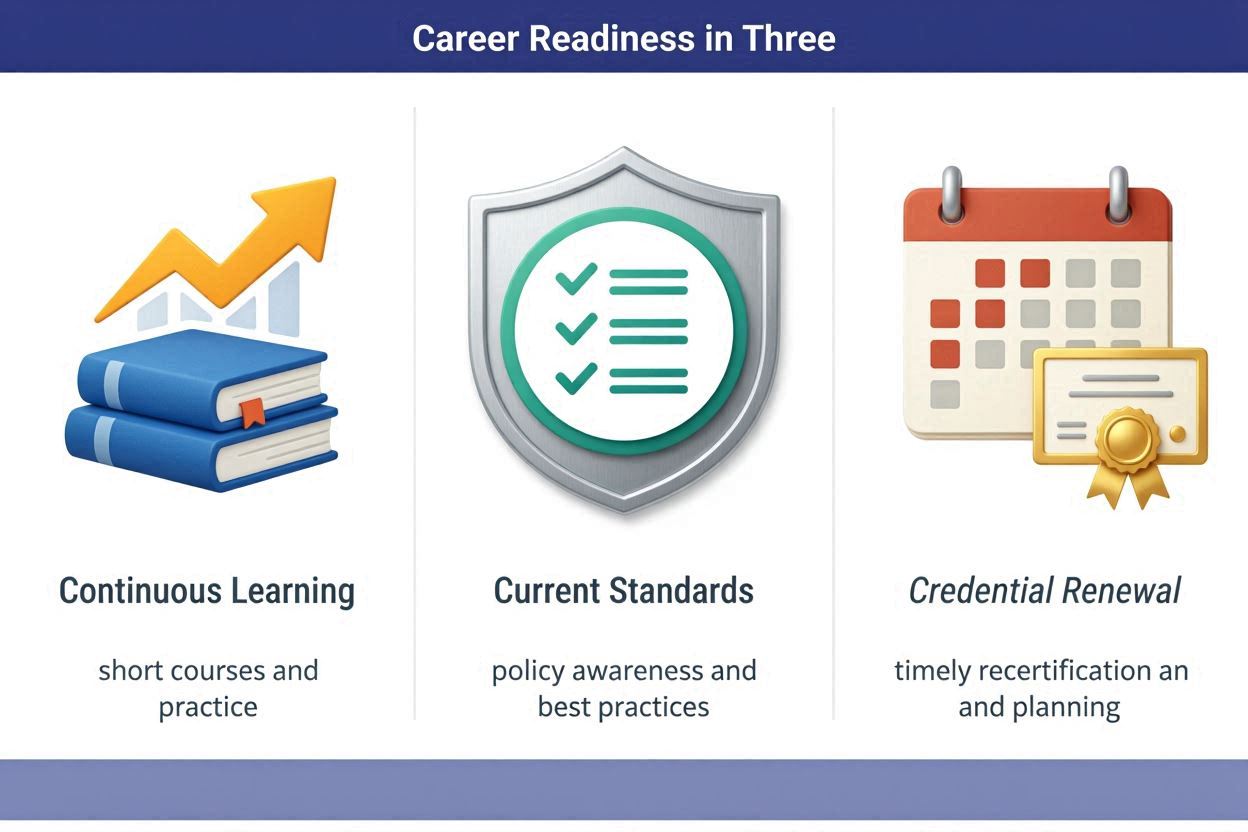
Career readiness can sound bigger than it needs to. People often think of major degrees, big promotions, or dramatic career changes, but staying prepared usually comes down to smaller habits repeated at the right time. A professional who keeps their skills sharp, understands current standards, and plans for renewals is less likely to be caught off guard when expectations shift. That is why career readiness works well in threes: what you can do, what your field expects, and what needs attention before a deadline arrives.
Skills That Stay Useful
Skills can fade when they are left alone. A strong communicator, technician, teacher, stylist, analyst, or caregiver can lose ground if their daily work remains the same while the field around them continues to change. Tools improve. Client expectations shift. Familiar methods can start to feel dated before anyone notices.
The most reliable professionals treat skill-building as a habit, not a rescue plan. They practice the basics, pay attention to where their field is heading, and stay honest about what needs improvement. That same awareness matters when someone is choosing the right career path, because long-term growth depends on matching personal strengths with the real expectations of the work.
Useful skills rarely disappear overnight. They fade when people stop testing them against real situations. A professional who keeps learning in steady, practical ways has a better chance of staying prepared when a role expands, a client asks for something new, or an old process stops working as well as it used to.
Standards That Stay Clear
Every field has its own version of doing the work well. Sometimes that means safety rules. Sometimes it means ethics, documentation, client care, industry expectations, or accepted professional practice. The details change from one career to another, but the habit stays the same: good professionals understand which standards apply before those standards become a problem.
Standards also shape how people grow inside a profession. Regular professional development can include continuing education, career training, workshops, or certificates that help workers build knowledge after entering the workforce.
Clear standards reduce guesswork. They give professionals a way to measure whether their work still fits current expectations, especially when rules, techniques, or client needs change. A person who understands the standard behind the task can make better choices, ask better questions, and avoid treating quality as something to fix after the fact.
Renewal Habits That Stay on Schedule
Renewal habits are easier to manage when professionals treat them as part of the work rather than as a separate task left to the last minute. A simple routine can help people keep track of education, paperwork, deadlines, and updates that affect their field.
In California, professionals often work in fast-moving markets where client expectations can change quickly, making renewal planning a useful way to stay organized and responsive. In Texas, a wide mix of urban and rural workplaces can make clear records and simple timelines especially useful. Nebraska offers a smaller-state example, where local requirements can still matter as much as in larger markets. Beauty professionals preparing for Nebraska cosmetology license renewal often need to keep continuing education in view, so the learning side of the process does not become a last-minute scramble. In Florida, where many service industries serve a steady flow of residents and visitors, staying current can help maintain consistency in public-facing work.
Across any state, renewal becomes easier when professionals give it attention before the deadline feels urgent.
The Small Routine That Protects the Bigger Career
Career readiness becomes easier to maintain when it has a simple rhythm. Keep one skill fresh, keep one standard clear, and keep one renewal habit from slipping out of view. That routine is small enough to repeat, but strong enough to prevent avoidable stress.
The best professionals rarely wait for a deadline, a complaint, or a sudden change to remind them what needs attention. They build small checks into the way they work. Over time, those checks protect more than a résumé or a credential. They protect confidence, consistency, and the trust people place in their work.


