
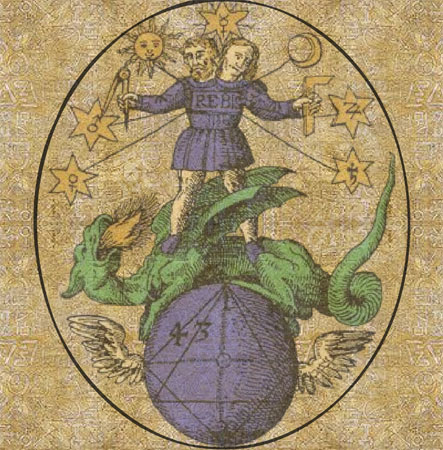
noun
1
a : the first matter of the philosophers’ stone composed of salt, sulfur, and mercury
b : gripe’s egg
2
: a medicine made of saffron and the yolk of an egg and once considered a cure for plague and poison
Considered to be a form of the Philosopher’s Stone.
(The). A preservative against poison, and a cure for the plague; a panacea. The shell of a new egg being pricked, the white is blown out, and the place filed with saffron or a yolk of an egg mixed with saffron.
Source: Dictionary of Phrase and Fable, E. Cobham Brewer, 1894
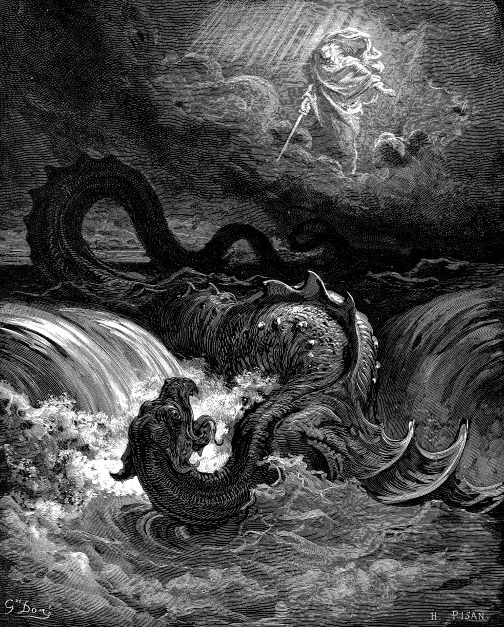 [Persian] The Iranian primeval king who rules a realm where justice, order and abundance prevail. His name means “twin” and his wife and twin sister is Yimak. As king Yam he fulfils three social functions: he is pious as a priest, strong as a warrior, and rich as a large landowner. He was the favorite of the gods, but he fell from grace when he became disdain and mendacious, and he lost his immortality.
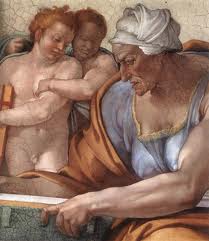 In ancient times a prophetess who, in a state of ecstasy and under influence of Apollo, prophesized without being consulted. Famous Sibyls are the Cumaean Sibyl and the Erythraean Sibyl, who revealed to Alexander the Great his divine descent.


