Posted on Leave a comment

Having said that

Question
What does it mean when people start a sentence with “Having said that….” ?
Answer

“Having said that” is a transitional phrase that has become more and more common in spoken language. When people say, “Having said that” it is a signal that they are going to say something which will contrast or disagree with what they said a moment ago. Take, for example, this quote from a man talking about his father’s death:

  • “He was 93 years old, so it was the natural way of things. Having said that, it’s still a shock when it actually happens, when your parent dies.”
Continue reading Having said that

Posted on 1 Comment

Limerick – anapestic trimeter

anapestic
anapestic
anapestic

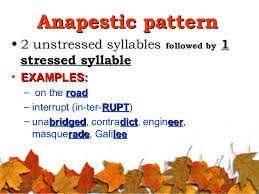
Limericks are short poems of five lines having rhyme structure AABBA. It is officially described as a form of ‘anapestic trimeter’. The ‘anapest’ is a foot of poetic verse consisting of three syllables, the third longer (or accentuated to a greater degree) than the first two: da-da-DA.

Definition of Anapest

Anapest is a poetic device defined as a metrical foot in a line of a poem that contains three syllables wherein the first two syllables are short and unstressed followed by a third syllable that is long and stressed as given in this line “I must finish my journey alone.” Here the anapestic foot is marked in bold.

Continue reading Limerick – anapestic trimeter

Posted on Leave a comment

Hindu-Arabic numerals

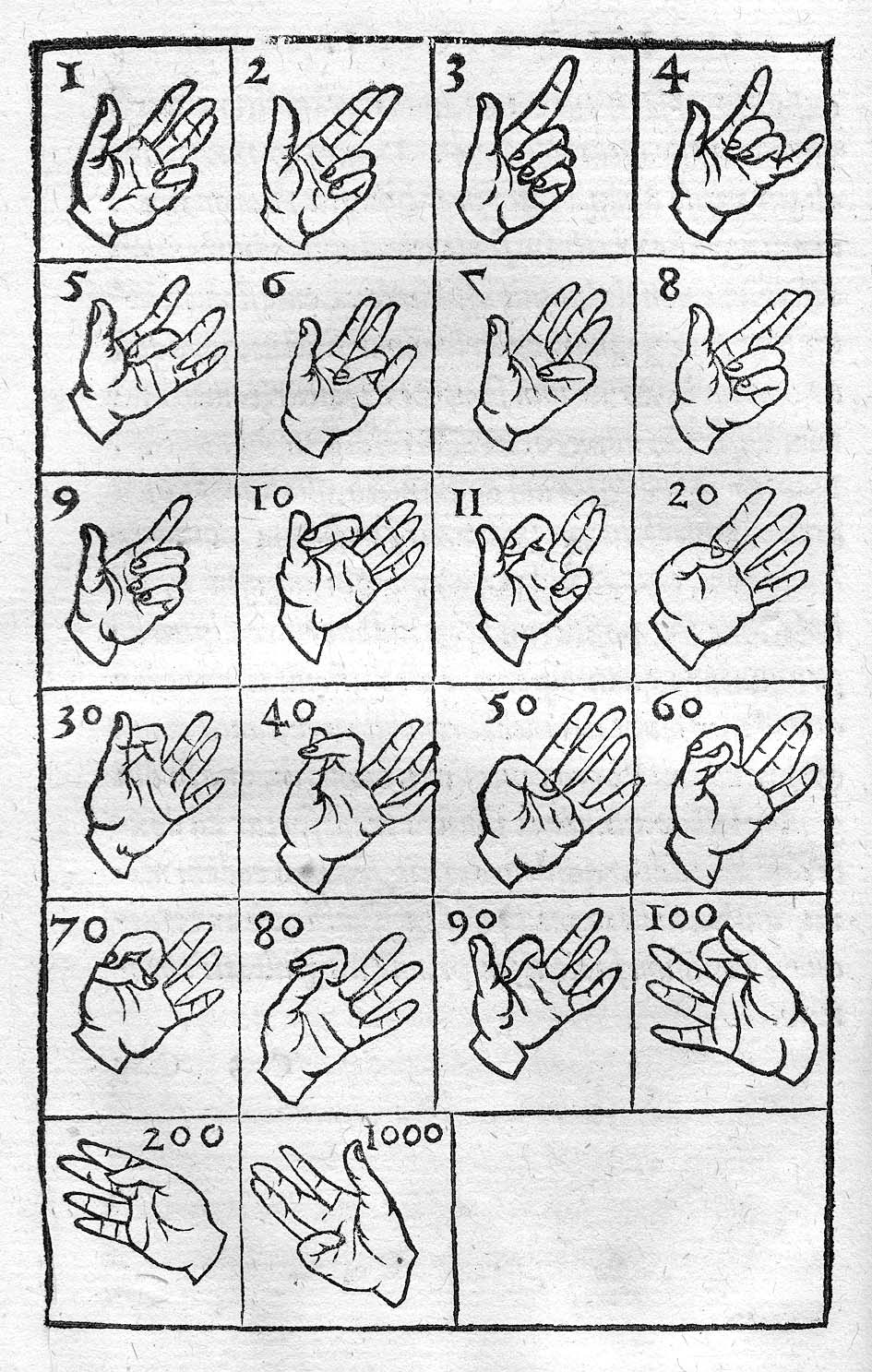
finger numerals
Muslim caculation systems

The Indian numerals discussed in our article Indian numerals form the basis of the European number systems which are now widely used. However they were not transmitted directly from India to Europe but rather came first to the Arabic/Islamic peoples and from them to Europe.

Continue reading Hindu-Arabic numerals