Posted on

The Three Core Components of Hardcover Books: Cover, Inner Pages, and Endpapers

Hard Cover Books

The design of hardcover books involves multiple layers, with each material and structural choice directly impacting the book’s durability, lifespan, and overall performance. A hardcover book consists of three main components: the cover, inner pages, and endpapers. These elements work together through thoughtful structure and design to ensure the book’s stability, resistance to damage, and visual appeal over time. Hardcover book printing isn’t just about aesthetic design; it’s also about how each structural part works together to maintain the book’s long-lasting durability and integrity of its content.

1. Cover

What is a Hardcover Book Cover?

A hardcover book cover consists of the front cover, back cover, and spine. The front and back covers primarily serve to protect the book from external damage, while the spine connects the cover to the inner pages, ensuring the book’s overall stability.

Common Cover Materials

The materials used for hardcover book covers are typically paper-based, but cloth and leather are also common alternatives.

  • Paper Cover: The most common material, usually made from thick cardboard or strong paper. This type of cover offers good protection for the book and sufficient pressure resistance to prevent damage from being squeezed over time.
  • Cloth Cover: Cloth-covered books use fabric over the hardcover board, offering better tensile strength and durability. Cloth covers are often found on art books or premium editions, providing a soft texture and an elegant appearance.
  • Leather Cover: Leather covers are often used for high-end collectible books. They provide excellent wear resistance, pressure resistance, and a classy appearance. The leather’s natural texture becomes more distinct over time.

Cover Function

The cover’s structural design is meant to ensure the book can withstand external pressure during long-term use and protect its contents. Typically, the cover is made from thick board materials and is glued to the inner pages. The spine is reinforced using folding and gluing techniques to ensure the entire book has higher pressure resistance and stability.

2. Inner Pages

Binding Methods for Inner Pages

The inner pages of a hardcover book are often bound using sewn binding, a method where pages are sewn together to provide stronger structural integrity for the book.

  • Sewn Binding Process: The inner pages are divided into sections, called signatures, with each signature usually containing 16 pages. These are sewn together by hand or machine. Once sewn, the signatures are stitched together to form a complete book block.
  • Gluing Process: After the pages are sewn, glue is applied to further secure the connection between the pages, enhancing the book’s overall stability and tensile strength.

Features of Inner Pages

The inner pages of a hardcover book are generally made from thicker paper, including materials like glossy paper, matte paper, or uncoated paper. These types of paper offer high durability and excellent print quality, ensuring the book’s content remains intact for years.

Advantages of Sewn Binding

  • Durability: Sewn binding provides stronger tensile strength compared to perfect binding (gluing), so pages are less likely to detach over time, ensuring the book will stay intact even with frequent handling.
  • Reading Experience: Sewn binding allows the book to open fully, providing a smoother reading experience. This is especially important for books that need to be opened and read continuously, ensuring the book’s structure remains intact.

3. Endpapers

What Are Endpapers?

Endpapers are an essential part of hardcover books, located between the cover and the inner pages. Their primary function is to connect the cover and inner pages, enhancing the book’s structural stability.

Functions of Endpapers

  • Connecting the Cover and Inner Pages: Endpapers hold the cover and inner pages together, providing additional strength to the book’s structure. They prevent the cover from loosening during use.
  • Protecting the Inner Pages: Endpapers reduce friction between the cover and inner pages, preventing damage to the pages and helping the book maintain its shape over time.

Materials Used for Endpapers

Endpapers are typically made from wood-free paper, which has strong absorbency, improving the connection between the pages and cover. In some cases, coated paper may be used for endpapers to ensure vibrant colors for printed designs.

Each component of a hardcover book—the cover, inner pages, and endpapers—plays a crucial role in maintaining the book’s stability, durability, and structural integrity for long-term use. From the sturdy cover to the carefully designed binding and the protective endpapers, every design detail enhances both the book’s functionality and its value as a collectible.

In addition to the core components of a hardcover book—cover, inner pages, and endpapers—several additional features can be incorporated to elevate the book’s functionality and aesthetic appeal. These extras are often used in premium editions, special collections, or luxury publications, adding protection and enhancing the overall design. Two such features are dust jackets and slipcases 

1. Dust Jackets 

A dust jacket is a paper cover that wraps around the hardcover book, usually featuring a full-color print design, text, and imagery that align with the theme of the book. It is commonly used for trade books, novels, and art books, providing both protection and a decorative element.

  • Protection: Dust jackets protect the hardcover book from dust, dirt, scratches, and other environmental factors. They help preserve the integrity of the book’s cover, especially during storage or handling.
  • Removability: Unlike the cover, dust jackets are removable, giving readers the option to keep the book looking pristine while still benefiting from the added visuals when they display the book. A dust jacket can be designed with striking graphics and typography that make the book stand out on a shelf.

In many cases, dust jackets are printed with high-quality, glossy or matte finishes, further enhancing their attractiveness.

2. Slipcases 

A slipcase is a protective box that fits over the entire hardcover book, often used for limited editions, collectible books, or special releases. Slipcases provide a higher level of protection, keeping the book safe from physical damage while also adding to the luxury and aesthetic appeal of the item.

  • Material and Design: Slipcases are typically made from durable materials like cloth, paperboard, or even leather. The design is custom-made to fit the dimensions of the book perfectly, often incorporating matching colors, patterns, or typography to complement the book’s cover design.
  • Protection: The slipcase protects the book from bending, dust, moisture, and damage during transportation or storage. It also acts as a safeguard against wear and tear that can happen with frequent handling.
  • Aesthetic and Collectibility: Slipcases add an element of exclusivity to hardcover books, making them particularly desirable for collectors. They elevate the book into a visually cohesive, elegant package that often includes premium features like foil stamping, embossing, or custom artwork. In many cases, slipcases are used for limited edition or signed copies to emphasize the book’s collectible nature.

While slipcases are not as common as dust jackets, they are a popular choice for high-end books, especially those intended for collectors, libraries, or premium editions.
Posted on

The 9 Levels of Angels: Understanding the Celestial Hierarchy

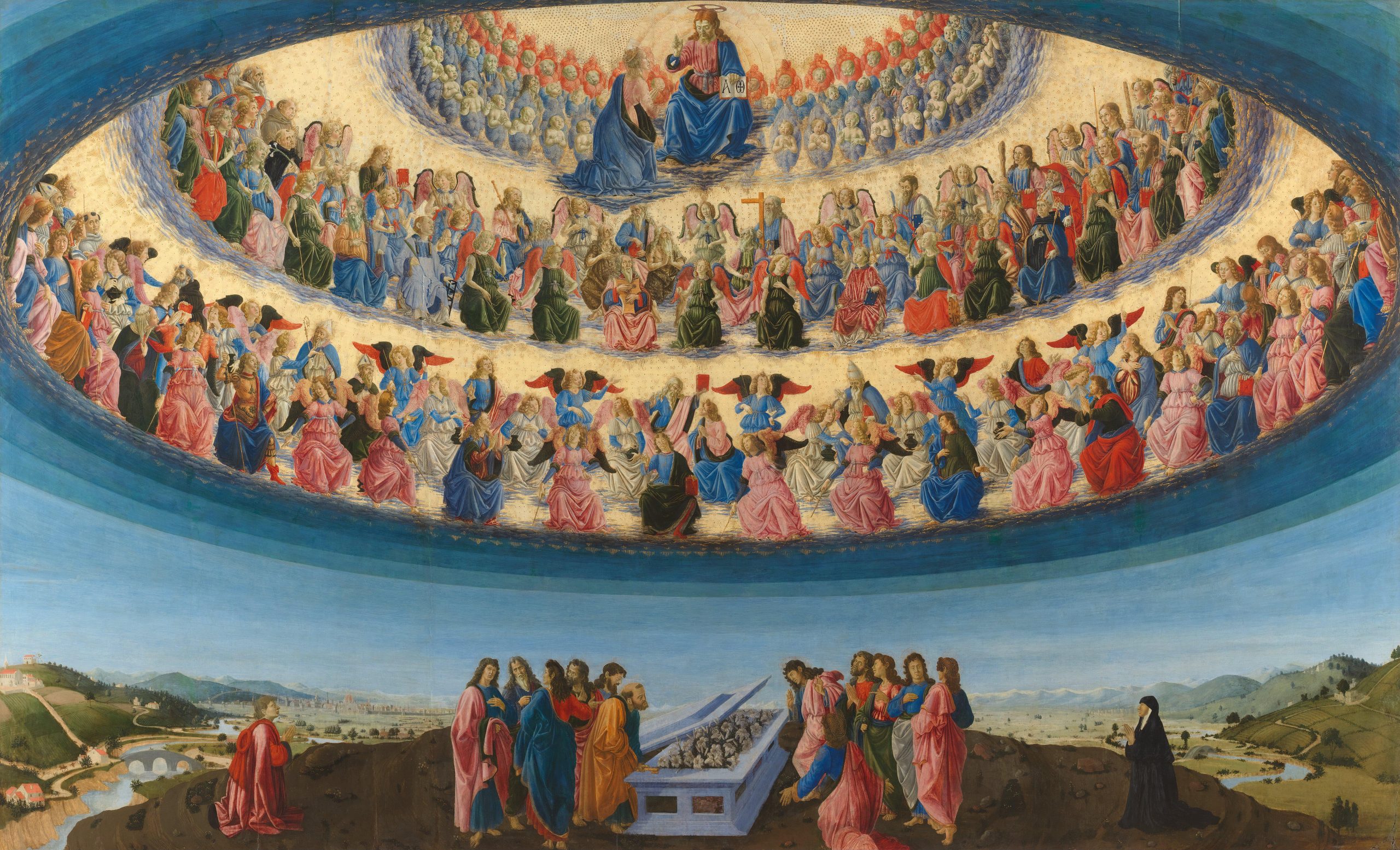
Angels have fascinated humanity for millennia, appearing in religious texts, art, and cultural traditions across the world. In Christian theology, particularly following the influential 5th-century work “De Coelesti Hierarchia” (On the Celestial Hierarchy) attributed to Dionysius the Areopagite, angels are organized into a specific hierarchical structure. This structure, known as the angelic hierarchy or celestial hierarchy, consists of nine distinct orders or choirs of angels, each with unique roles and characteristics.

The Three Spheres

The angelic hierarchy is traditionally divided into three spheres, each containing three orders of angels. These spheres represent the angels’ proximity to God and their primary functions in the divine plan. The three spheres are Counselors, Governors, and Messengers.

First Sphere: The Counselors

The angels of the First Sphere are closest to God, continuously circling the throne of the Divine and serving as direct counselors.

1. Seraphim

Seraphim
Seraphim

The Seraphim (singular: Seraph) occupy the highest rank in the angelic hierarchy. Their name means “the burning ones” in Hebrew, representing their intense proximity to God. According to Isaiah 6:2, they have six wings: two covering their faces, two covering their feet, and two used for flying. They are often depicted as being red in color, symbolizing their burning love for God.

The Seraphim’s primary role is to ceaselessly worship God, chanting “Holy, Holy, Holy” around the throne of the Divine. They are considered the caretakers of God’s throne and regulators of the heavens.

2. Cherubim

Cherubim
Cherubim

The Cherubim (singular: Cherub) are the second-highest order of angels. Despite popular modern depictions as chubby, childlike figures, biblical Cherubim are majestic and powerful beings. In Ezekiel’s vision (Ezekiel 10), they are described as having four faces (of a man, an ox, a lion, and an eagle) and four wings covered with eyes.

The Cherubim serve as guardians and bearers of God’s glory. They guarded the way to the Tree of Life in Eden after Adam and Eve’s expulsion, and they were represented on the Ark of the Covenant. They are considered the keepers of celestial records and divine knowledge.

3. Thrones

Throne

The Thrones (also known as Ophanim or Wheels) are the third order in the First Sphere. As described in Ezekiel’s vision, they appear as interlocking wheels with multiple eyes. These strange, wheel-like angels are sometimes interpreted as representing the divine justice and authority of God.

The Thrones serve as God’s chariot and are the bearers of His throne. They are living symbols of God’s justice and authority, administering His decisions throughout the universe. They are completely submitted to God’s will and serve as the instruments of His divine justice.

Read more: The 9 Levels of Angels: Understanding the Celestial Hierarchy

Second Sphere: The Governors

The angels of the Second Sphere govern the celestial bodies and natural forces, serving as administrators of the divine plan.

4. Dominions

Dominions

The Dominions (also known as Lordships) are the first order of the Second Sphere. They are depicted as beautiful humanoid figures wearing crowns and holding orbs of light or scepters, symbolizing their authority.

The Dominions regulate the duties of the lower angels and rarely make themselves known to humans. They are responsible for ensuring that the cosmos remains in order by directing the activities of the lower angelic orders. They receive their commands from the Seraphim and Cherubim and delegate responsibilities to the lower choirs.

5. Virtues

Virtues

The Virtues (also called Strongholds) are the second order of the Second Sphere. They are often depicted as radiating light and energy, associated with acts of heroism and courage. Their name comes from the Latin “virtus,” meaning “strength” or “power.”

The Virtues are responsible for maintaining the natural order of the universe and supervising the movements of celestial bodies. They are seen as the angels who provide courage and strength during times of struggle, bringing God’s grace to those demonstrating faith. They are also considered the creators of miracles on Earth.

6. Powers

Powers

The Powers (also known as Authorities) are the third order of the Second Sphere. They are often depicted as warrior angels, wearing armor and bearing weapons. Their name reflects their power over evil forces.

The Powers are the bearers of conscience and keepers of history. They are warrior angels who defend the cosmos and humans against evil forces. They are also responsible for the distribution of power among humans on Earth, making sure that power is used for good and not evil.

Third Sphere: The Messengers

The angels of the Third Sphere are those most concerned with human affairs and direct interactions with humanity.

7. Principalities

Principalities
Principalities

The Principalities (also called Rulers) are the first order of the Third Sphere. They are typically depicted as figures wearing crowns and carrying scepters, symbolizing their authority over nations and large groups.

The Principalities are responsible for watching over nations, cities, and large groups of people. They guide and protect leaders of countries, groups, and institutions. They are considered the educators and guardians of the realm of Earth, inspiring arts and sciences.

8. Archangels

Archangels
Archangels

The Archangels are the second order of the Third Sphere and are perhaps the most well-known angels in popular culture. They are typically depicted as powerful, winged beings with swords or other symbols of authority.

Despite their position in the hierarchy, Archangels are among the most recognized angels, with names like Michael, Gabriel, Raphael, and Uriel being widely known. They are God’s emissaries to humans for the most significant messages and are often depicted as great warriors against evil. They oversee large projects and groups of guardian angels.

9. Angels

Angels
Angels

The Angels, the third order of the Third Sphere, are the most common and recognized class of celestial beings. They are usually depicted as winged humanoid beings, often shown guarding or guiding humans.

The Angels are the closest to humanity and serve as guardians and messengers to individuals. They are the most numerous and act as intermediaries between God and humans. Each person is believed to have a guardian angel assigned to them at birth.

Conclusion

The nine levels of angels represent a complex and fascinating spiritual hierarchy that has influenced religious thought, art, and literature for centuries. From the mighty Seraphim constantly praising God to the guardian Angels watching over individual humans, this celestial structure provides a framework for understanding how divine will might be organized and expressed throughout creation.

Whether viewed as literal spiritual beings or as metaphorical representations of divine aspects, the angelic hierarchy continues to capture our imagination and reflects humanity’s enduring fascination with the bridge between the divine and earthly realms.

Understanding these nine levels helps us appreciate the rich tapestry of beliefs that have shaped religious tradition and continues to inspire spiritual contemplation today.

Posted on

Army researchers envision third arm for Soldiers

ABERDEEN PROVING GROUND, Md. — When engineers from the U.S. Army Research Laboratory brainstormed on how to improve Soldier lethality, the idea of a third arm seemed like something that might help.

Mechanical engineer Dan Baechle carefully planned out a device that doesn’t need batteries, is lightweight and can evenly distribute the load of a heavy weapon.

“It can help stabilize the weapon and take the load off of their arms,” he said. “It’s made from composite materials to make it as light as possible, but also to ensure the range of motion that Soldiers need.”

The device, officially called the Third Arm helps take the weight of the weapons off of a Soldiers’ arms. It weighs less than four pounds, and because of the innovative design, the weight of the device and the weapon are evenly distributed.

“We’ve actually tested it with the M249 and M240B machines guns. The M240B weighs 27 pounds, and we were able to show that you can take the weight of that weapon completely off of the Soldiers’ arms,” Baechle said.

Soldiers testing the device pointed out that initial versions didn’t make it possible for them to use the device and go into the prone position. But that’s not an issue with the current version.

At a recent test with a Soldier at the Military Operations in Urban Terrain site at APG, a sergeant wore the device with an M-4 type weapon and dove into a prone fighting position from a sprint. The Third Arm provided immediate stabilization to improve marksmanship for the Soldier.

“Right now it’s a prototype device, and it’s a fairly early stage prototype device,” Baechle said. “It’s been getting a lot of interest higher up in the Army, but also online with some of the stories that have come out. We’re using some of the interest to help motivate further development of the device.”

Baechle said that the Army modernization priorities include “Soldier lethality that spans all fundamentals — shooting, moving, communicating, protecting and sustaining.” Further documentation specifically mentions the fielding of “load-bearing exoskeletons.”

“It falls in line with the direction that the Army wants to be heading in the future,” Baechle said. “We get comments from Soldiers who tell us different things about the way it feels on their body … about the way it redistributes the load. Some like it, some give us tips about the ways it could be improved, and we’re using that input to improve the device and improve the design so that it not only works well, but it also feels good.”

In 2017, the lab conducted a small pilot study of active-duty troops using Third Arm in live-fire trials. The results showed the device can improve marksmanship, reduce arm fatigue and muscle activation for some Soldiers.

“We’re using that small study to motivate a larger study this year with more Soldiers taking a look at dynamics, shooting scenarios,” Baechle said. “We’re still refining the device. We’re starting to look at heavier weapons.”

Baechle stressed that what you see now may not be what gets to future Soldiers.

“What we have right now is a very specific device, but we can learn from that device,” he said. “I hope in the future what we’ll end up with is something that will help the Soldier. Whether or not it’s in the form you see today, that’s less important. Helping the Soldier is what I really hope for. I think this year is really going to be a good one and an important one in showing what this device can do.”

Video

The U.S. Army Research Laboratory is part of the U.S. Army Research, Development and Engineering Command, which has the mission to provide innovative research, development and engineering to produce capabilities that provide decisive overmatch to the Army against the complexities of the current and future operating environments in support of the joint warfighter and the nation. RDECOM is a major subordinate command of the U.S. Army Materiel Command.